With data security and artificial intelligence emerging as critical pillars of governance and economic development, SARC Global has called for urgent preparedness among government departments, public sector undertakings (PSUs) and businesses to meet the requirements of India's Digital Personal Data Protection (DPDP) Act, 2023, while laying secure foundations for Goa's ambition to become an AI-driven state.
Two high-level panel discussions organised by SARC AI Technologies Private Limited, part of SARC and Curator of the Vibrant Goa Global Business Summit 2026, brought together leading experts from the fields of law, cybersecurity, data governance, technology and business to deliberate on data protection compliance and the responsible adoption of artificial intelligence.
The discussions, held on October 31, highlighted the importance of strengthening institutional preparedness ahead of May 13, 2027, when key obligations under the DPDP framework, including breach notification and security safeguards, are scheduled to take effect.
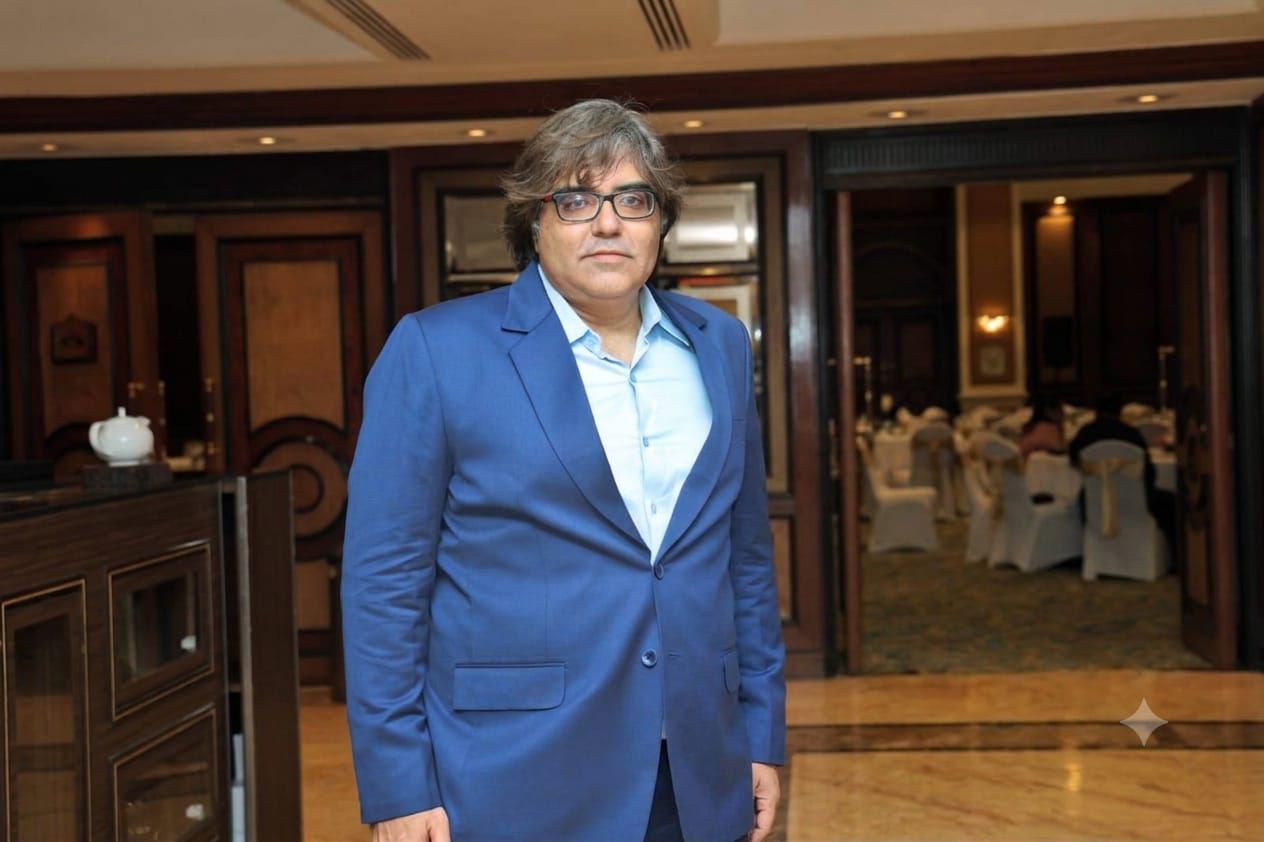
The first session, titled 'Data & DPDP Before May 2027 – What the SBI Breach Tells Government, PSUs and Businesses', was moderated by Sunil Kumar Gupta, Founder of SARC. The panel included Ranu Gupta, Co-Founder and CEO of DataSurity by SARCai; Rani Lakra, Founder Partner, SARC; Mamata Chakraborty, Founder and Managing Partner, SARC Legal; Sanjoy Roy of The Modern Data Company; and Nilay Joshi, Director, Cyber Risk Advisory, DataSurity by SARCai.
Discussing the implications of the SBI data exposure, panellists emphasised that organisations must move beyond conventional IT security measures and establish comprehensive data governance frameworks. They underlined that responsibility for DPDP compliance should rest with the highest level of organisational leadership, with regular board-level reviews rather than being treated solely as an IT or legal department responsibility.
The discussion also highlighted the potential financial implications of non-compliance, with penalties under the DPDP Act going up to ₹250 crore. Panellists stressed the need for organisations to map personal data, strengthen consent management systems, establish clear accountability and regularly test their data breach response mechanisms.
The second session, titled 'Goa as an AI State, Built Safely – Governed Data and Secure Foundations for AI', examined how Goa can develop a responsible and secure artificial intelligence ecosystem following the unveiling of the Goa AI Policy 2026.
Moderated by Probir Roy, Founding Independent Director of Nazara Technologies Limited, the panel featured Animesh Kumar, Co-Founder and CTO of The Modern Data Company; Lord Uday Nagaraju, Member of the House of Lords, UK Parliament; Laxmi Das, Co-Founder of Prophaze; CA Rajendra Bagade, Senior Partner, SARC Global; Tanya, AI Expert; and business leader Sarrthak Dahiya.
The panellists observed that becoming an AI-enabled state requires more than acquiring advanced technology. It calls for four fundamental pillars: quality data, secure digital infrastructure, skilled human resources and clear human accountability.
The discussion examined the proposed AI Centre of Excellence, a Konkani language model in collaboration with BHASHINI, the AI Kosh of government data and the planned hackathon involving 100 problem statements from 35 government departments under Goa's AI policy.
Emphasising the importance of algorithmic accountability, CA Rajendra Bagade said that traditional auditing practices, which generally examine systems around computers rather than examining the processes operating within them, would no longer be sufficient in the age of AI.
He stressed that auditing must extend to processes, coding, data and algorithms, particularly when government departments, PSUs, government companies and banks handle public data. He cautioned that government should not deploy AI models or software systems where adequate auditing and accountability mechanisms cannot be established.
The panel also highlighted emerging cybersecurity threats associated with AI-powered chatbots and APIs, including deepfake voices, AI-driven phishing, stolen access keys and malicious bots. Speakers emphasised that decisions affecting citizens' rights, entitlements and liberty must remain under human accountability.
CHIEF MINISTER HIGHLIGHTS GOA'S INVESTMENT OPPORTUNITIES
The Vibrant Goa Global Business Summit 2026 concluded with an address by Goa Chief Minister Dr. Pramod Sawant, who invited investors to explore the state's growing economic opportunities.
Highlighting Goa's ease of doing business, second international airport, logistics and warehousing policy and upcoming electronics manufacturing cluster, the Chief Minister said the state was ready to welcome fresh investments. He assured investors of government support through investment-friendly policies and simplified processes.
The Chief Minister also reiterated his government's commitment to MSMEs and highlighted the Mukhyamantri Export Incentive Scheme, aimed at supporting enterprises from their first export shipment. He spoke of the ambition to develop 500 MSME champion exporters by 2037 and expressed support for a proposed Defence Conclave in Goa.
During the summit, the Goa Investment Promotion Board signed nine Memoranda of Understanding (MoUs) worth approximately ₹8,600 crore across sectors including artificial intelligence, data centres, technology, hospitality, energy, logistics and healthcare. These investments are expected to generate around 5,000 employment opportunities.
1983 WORLD CUP COFFEE TABLE BOOK UNVEILED
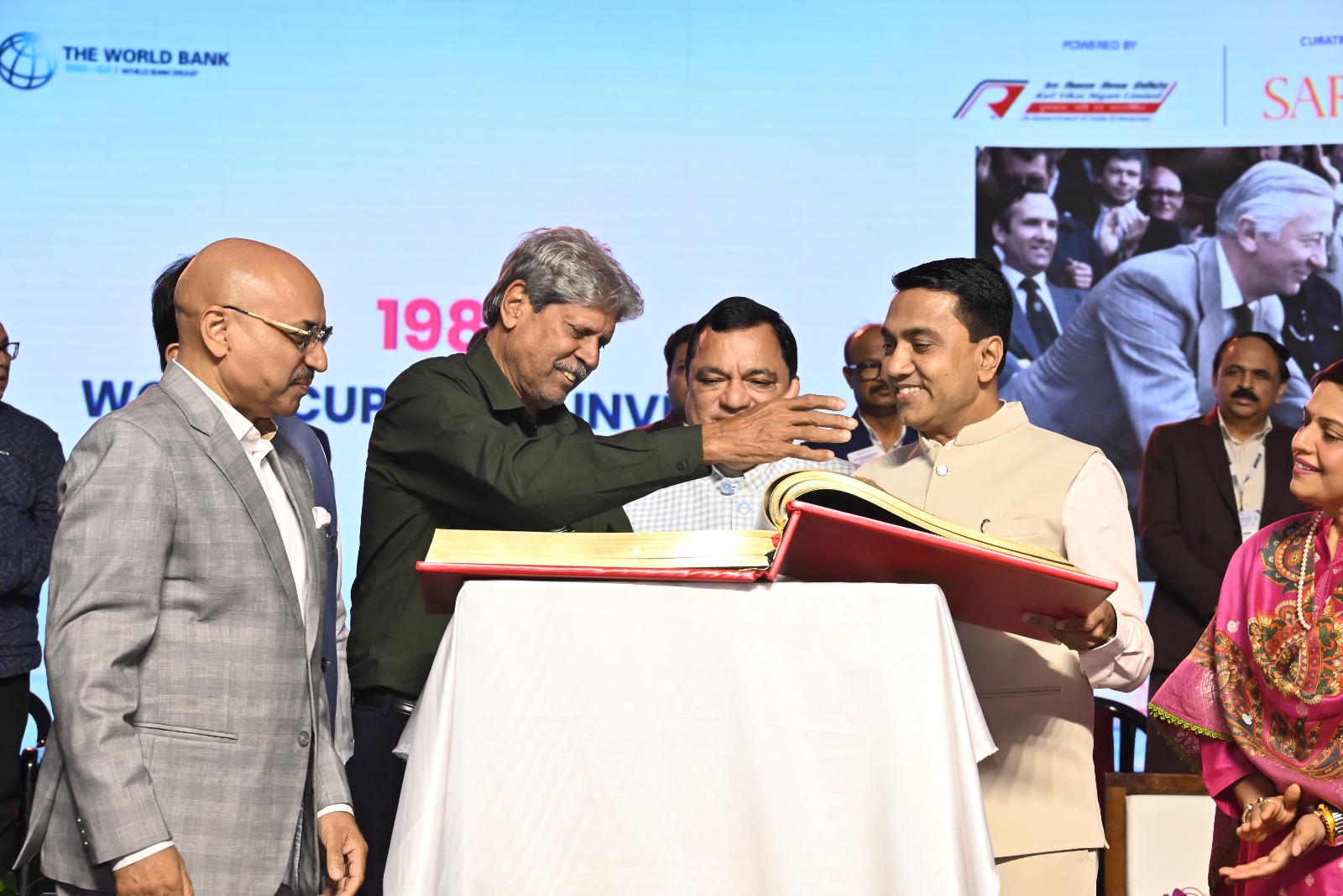
Another highlight of the closing ceremony was the unveiling of a special coffee table book commemorating India's historic 1983 Cricket World Cup victory. The book was unveiled by Chief Minister Dr. Pramod Sawant and legendary former Indian cricket captain Kapil Dev, who led India to its maiden World Cup triumph.
Conceptualised by Sunil Kumar Gupta, Founder of SARC, the 35-kg coffee table book documents the untold stories of India's historic campaign, which culminated in the country's memorable victory over the West Indies at Lord's on June 25, 1983.
KDSG, owned by Kapil Dev and Sunil Kumar Gupta, holds the complete rights to the real stories and photographs featured in the book.
Through its discussions on data protection, cybersecurity, artificial intelligence and investment-led development, SARC's participation at Vibrant Goa 2026 highlighted the growing importance of technology-driven governance and responsible innovation in India's economic transformation.